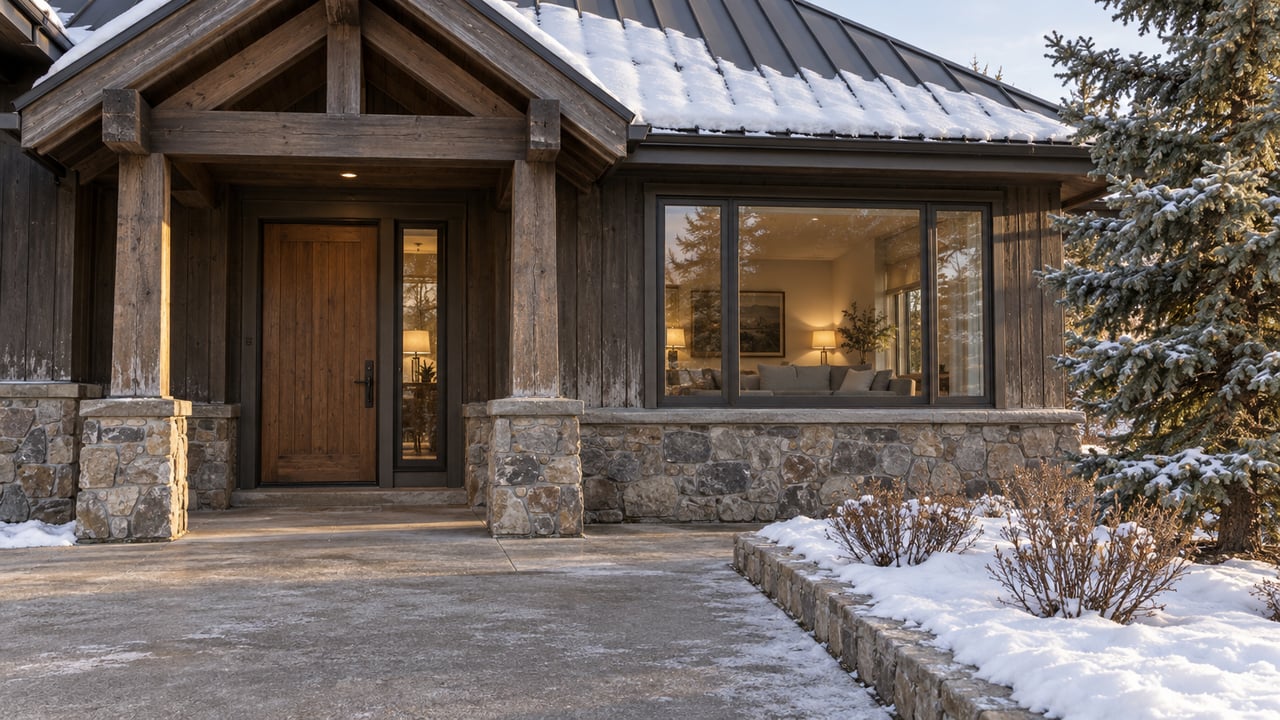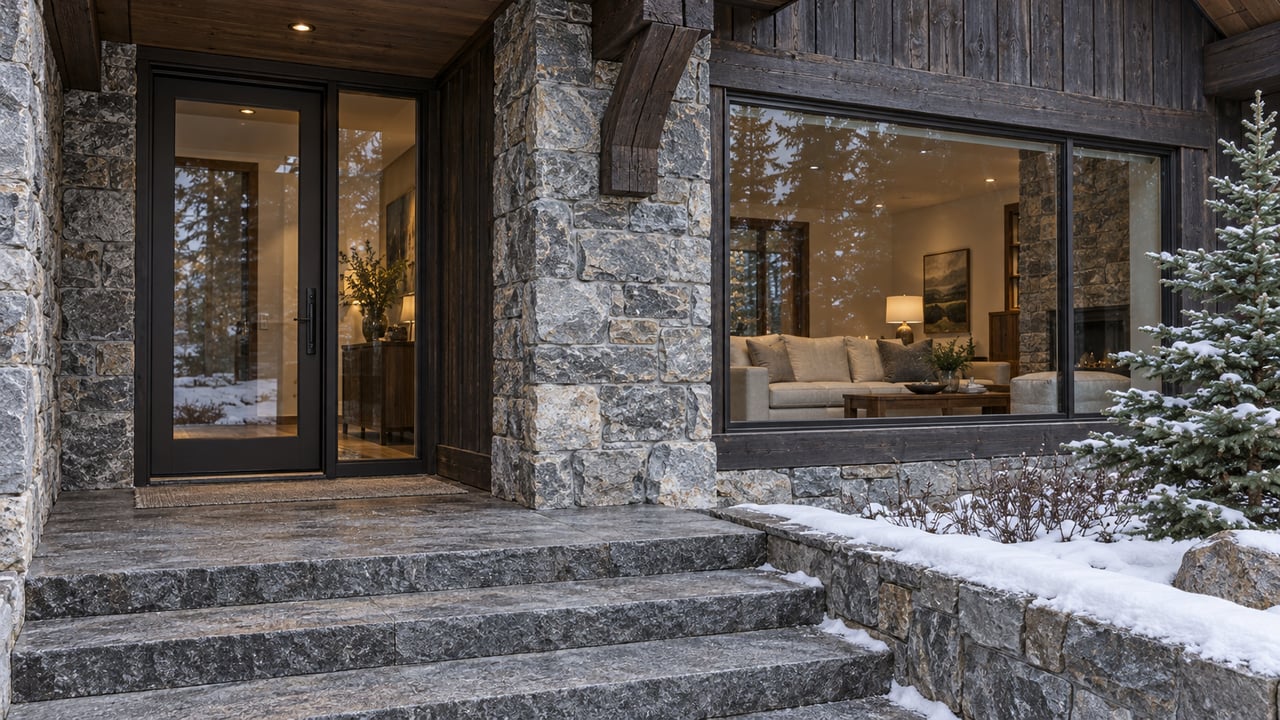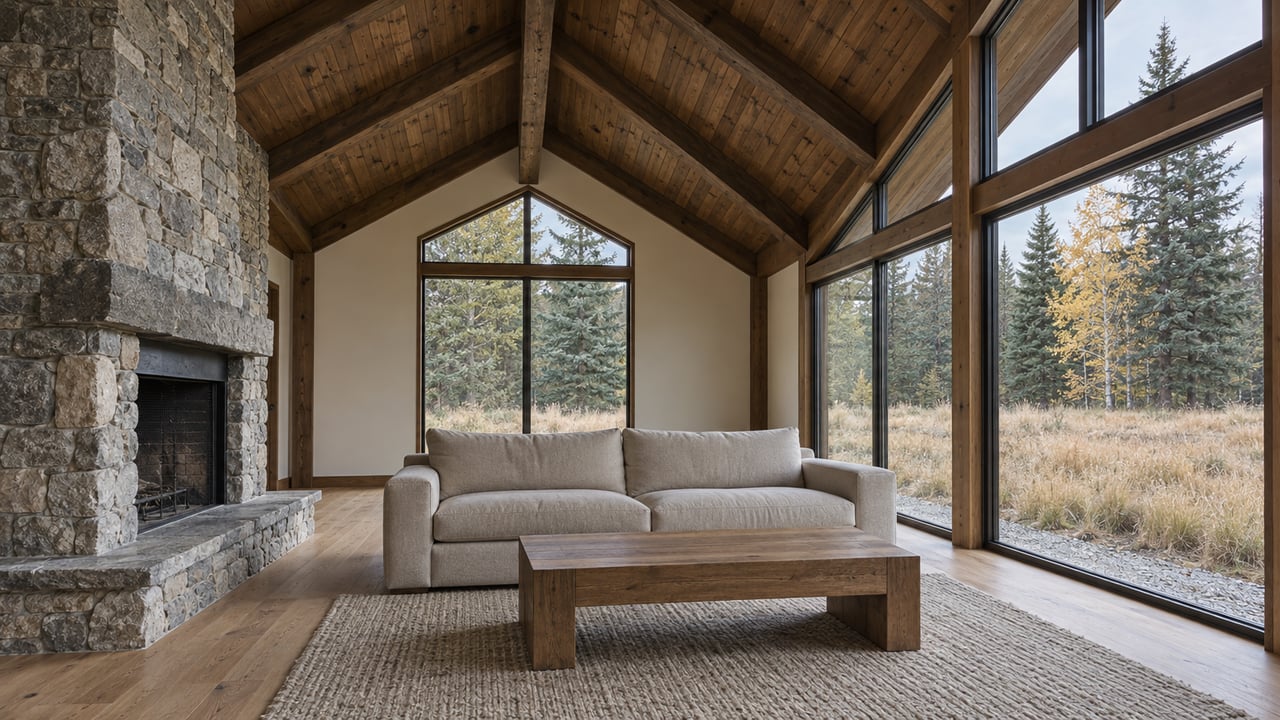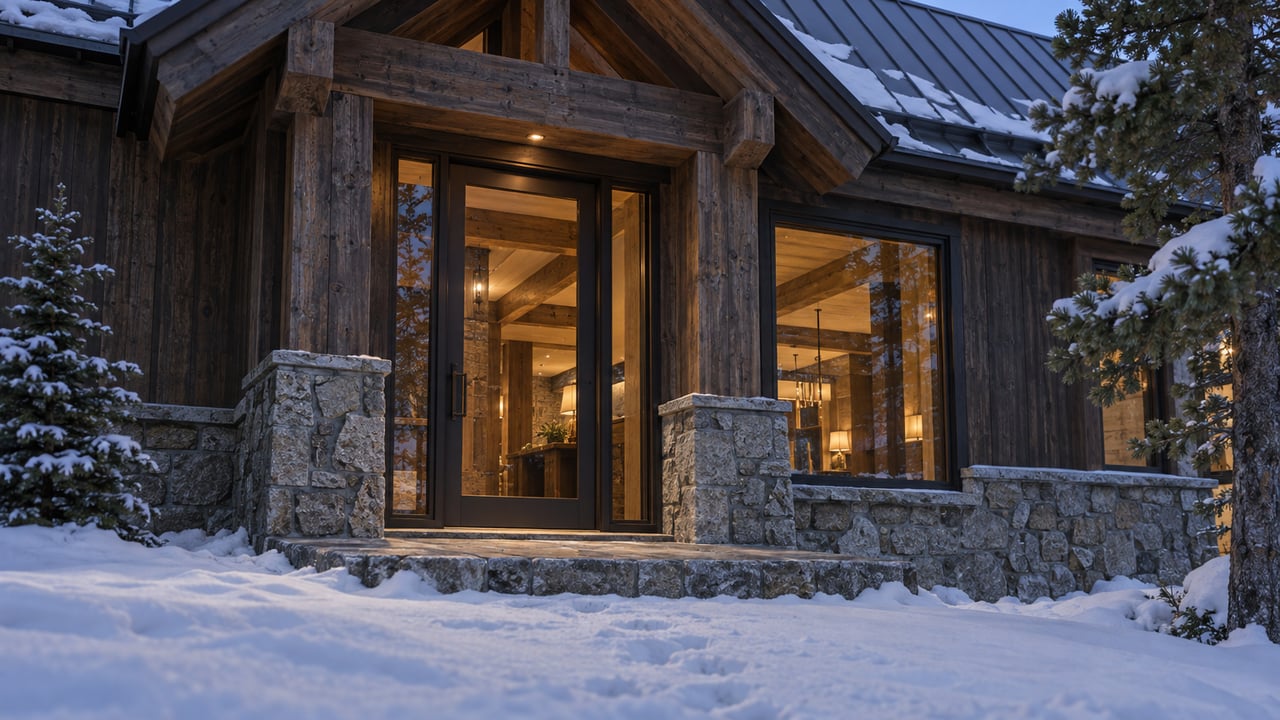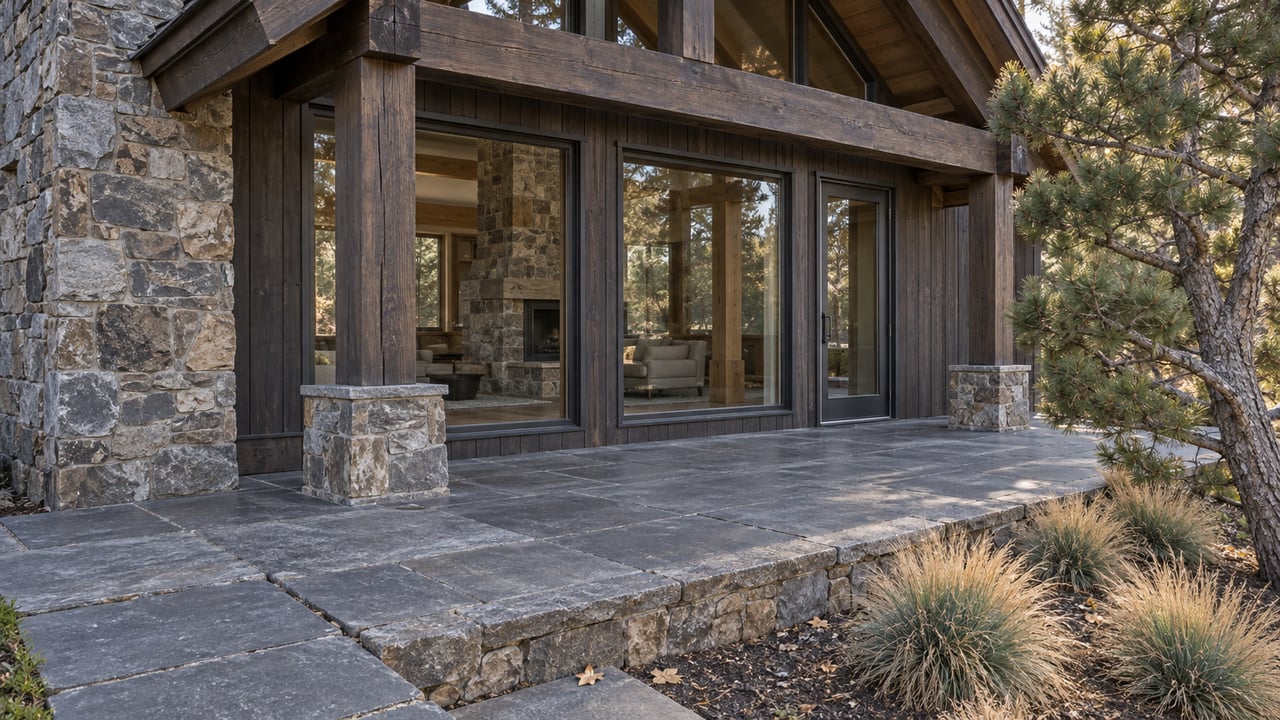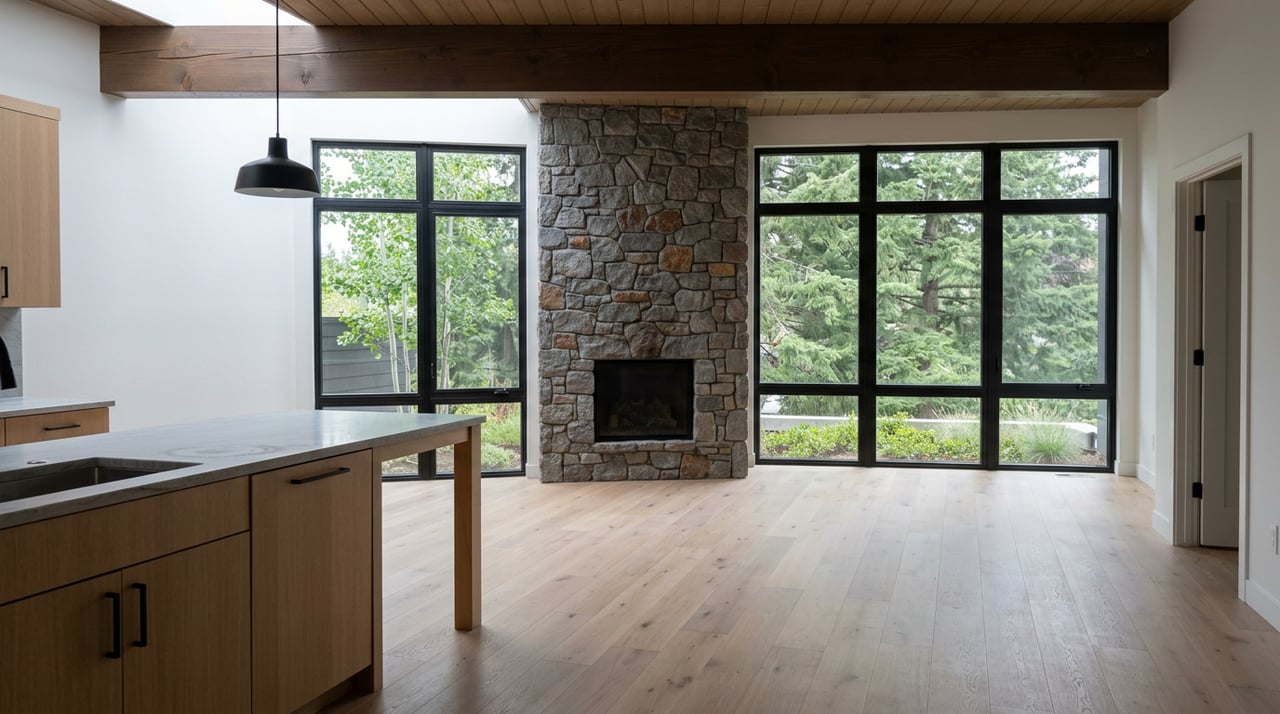
Walk the site of Yellowtail Residences today and you will see finished buildings. Stone accents, composite cedar shake, copper gutters, the kind of exterior detail that photographs well for a listing. The developer behind the project set a target of completing the second phase, a 23-unit condominium building tucked between the golf course's 10th and 11th holes, by fall 2026. Anyone driving past would reasonably assume it is done.
As of March 2026, Big Sky Water & Sewer had the project moving through final inspection and utility acceptance. The building can look finished and still not be finished, because utility inspection and acceptance matter alongside the construction schedule.
That distinction is the thing a median price on a listing site will never tell you, and it is the thing worth understanding before you compare Meadow Village to anywhere else in Big Sky.
A capacity ceiling with a publish date
Meadow Village and Mountain Village both draw water and sewer service from the Big Sky County Water and Sewer District, a public special district formed in 1993. This is not a vague infrastructure concern. In July 2026, district officials told Explore Big Sky that pumping capacity, the system's ability to move water to meet demand, is expected to reach its ceiling in Meadow Village by 2029, with Mountain Village hitting the same wall around the same time.
That is a projection with a specific timeframe. It makes capacity worth asking about for every new condominium, every duplex, every infill lot in the Meadow Village core. Yellowtail's progress through inspection illustrates that a building can look finished before utility acceptance is complete; it does not establish that the projected ceiling is delaying the project.
The tax you are already paying toward this
Here is where the story stops being an abstract utility issue and starts being something every buyer in Big Sky already has a stake in, whether they know it or not.
Montana designated Big Sky a resort area in the early 1990s specifically so the community could levy a local resort tax. Voters approved a 3% rate in April 1992. Years later, voters approved an additional 1% increase, and that new 1% was dedicated primarily to Big Sky Water & Sewer District infrastructure. Every dinner, every lift ticket, every retail purchase in town has been quietly funding this exact capacity problem for years.
The scale of what that tax is paying toward is not small. District reporting shared with the community this year put the cost of Big Sky's second phase of its water facility at roughly $26 million, with the Gallatin Canyon sewer project, a separate but related piece of the region's wastewater puzzle, estimated near $51 million. These are not routine maintenance line items. They are capital projects in the region's water and wastewater infrastructure picture.
Two addresses, two systems
The public district is only part of the picture, and this is where the story turns from interesting to genuinely useful for anyone comparing properties.
Not every parcel that reads as Meadow Village on a map sits on the public system. Firelight Meadows, a subdivision within the broader Meadow Village footprint, runs on a private sewer system owned by a company called Westfork Utilities, not by the homeowners association and not by the public district. Montana's Department of Environmental Quality issued an Administrative Order of Consent against that system, which in practical terms means the system has been operating in a probationary, unpermitted status while it works toward compliance. Newer environmental studies cited by the district showed the system's wastewater trending toward Town Center's drinking water source and the Middle Fork of the Gallatin River.
Fixing it required more than a vote at an HOA meeting. The Firelight Water & Sewer District says Montana law requires that at least 40% of all qualified electors vote in favor to form a new water and sewer district. A simple majority of those who show up is not enough. Once formed, the new Firelight Meadows district plans to pursue a connection to the public Big Sky system, at an estimated cost of $1.8 million, on top of whatever it costs to buy out the existing private infrastructure from Westfork.
Compare that to a unit at Yellowtail or a resale two streets over that has been tied into the public district for years. Both might list identically as "sewer available." One carries none of this exposure. The other sits behind a private operator working through a regulatory consent order and a capital assessment that has not yet been finalized. A listing sheet cannot tell you which is which. A conversation with the seller, the title company, or the district itself can.
Here is the difference in plain terms:
Public system (Big Sky Water & Sewer District) Private/legacy system (Firelight Meadows example) Owner and operator Public special district Private utility company Recent regulatory status Standard district oversight DEQ Administrative Order of Consent Path to fix known deficiencies District-led capital planning, funded partly by resort tax Required forming a new public district, then negotiating a buyout and connection Estimated near-term capital cost Spread across district-wide projects, roughly $26M to $51M in current planning Roughly $1.8M in connection cost alone, plus buyout terms still being worked out
The affordable pipeline and the capacity projection
If you assume this capacity story only touches luxury inventory, look at what is happening on the workforce side of Meadow Village. RiverView, a mixed housing campus near Town Center, includes 25 income-restricted apartments built by the Big Sky Community Housing Trust that were fully leased for winter 2025-26, alongside privately funded units renting for $2,750 for a one-bedroom up to $4,400 for a three-bedroom. Cold Smoke, planned nearby, is not targeting first rentals until 2028 and ownership homes until 2029, which places its delivery right at the edge of the district's own projected capacity limit.
Those dates alone do not establish that capacity is setting Cold Smoke's schedule. Whether a project is chasing seven-figure buyers or workforce renters, utility capacity is worth asking about.
What to ask before you write an offer
If you are comparing a Meadow Village property to something in another Big Sky neighborhood, the questions that actually matter rarely appear on the listing:
Is this parcel served by the public Big Sky County Water and Sewer District, or by a private or legacy system tied to a specific subdivision?
If it is newer construction, has the unit received final utility inspection and acceptance, or is it still moving through that process the way Yellowtail was as of March 2026?
Has the subdivision's system been the subject of any DEQ compliance order, consent order, or capital assessment in the past few years?
If a special assessment or capital call related to water or sewer infrastructure is on the horizon, who is responsible for it, the seller or the buyer, and is that spelled out in writing before closing?
None of these questions require a lawyer's letterhead to ask. They require knowing that the question exists, which is the part most buyers never get to on their own.
FAQ
Does the resort tax cover all future water and sewer costs in Big Sky?
No. The dedicated 1% portion of the resort tax funds a meaningful share of district infrastructure, but the district's own reporting shows individual projects running into the tens of millions of dollars, well beyond what tax revenue alone is expected to cover in the near term.
Is Firelight Meadows the only subdivision in the area on a private system?
It is the most recently documented case with a public regulatory record, but buyers should not assume every Meadow Village address is automatically on the public district simply because of its general location. Confirming the specific system serving a specific parcel is a due diligence step worth taking regardless of address.
Does a 2029 capacity ceiling mean new construction stops after that date?
The district's reporting frames 2029 as the point capacity is expected to be reached under current infrastructure. It is one of the reasons the expansion projects described above are already in planning. It is also exactly why timing, not just price, belongs in any serious comparison of Meadow Village properties.
Buying in Meadow Village means buying into a system with a published ceiling and a very specific set of projects racing to move that ceiling further out. Knowing which side of that system your parcel sits on is worth more than another spreadsheet of comparable sales. If you want a second opinion on a specific address before you write an offer, Life in Big Sky Real Estate can help you ask the right questions of the right district. Live Big. Connect with our team.
This article is general information, not legal, tax or financial advice. Consult a qualified professional about your situation.