West Yellowstone sits at 6,660 feet elevation in Gallatin County, Montana, right at the west entrance to America's first national park. With a year-round population of about 1,400 people, this is a town built for those who want wilderness at their doorstep. The town is surrounded on all sides by National Forest and National Park land, meaning you cannot sprawl outward. What you see is what you get, and that finite footprint is a big part of its appeal.
Four million visitors pass through annually, but the locals who stay through harsh winters (this town holds records for some of the coldest temperatures in the lower 48) share a tight-knit community bound by their love of the outdoors and their willingness to trade urban convenience for unparalleled access to wild country.
Housing inventory in West Yellowstone is constrained by geography. The town is landlocked by federal land on all sides, which limits new construction and keeps the community compact. Most residential property falls into a few distinct areas.
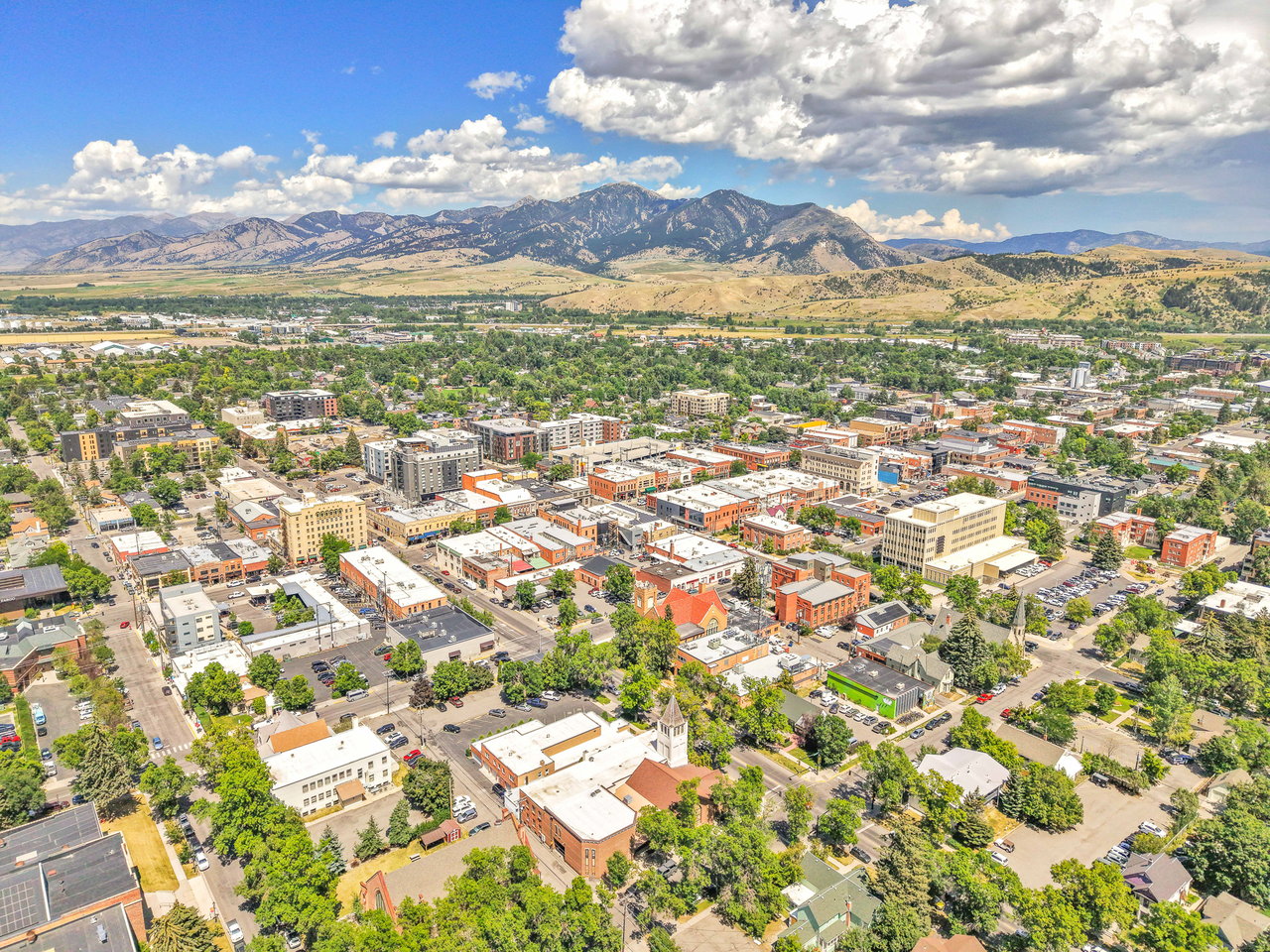
Madison Addition: The primary residential neighborhood, located north of D Parkway (the road that roughly separates residential from commercial zones). You will find single-family homes on modest lots, many built from the 1980s through the 2000s. Homes here range from practical, year-round residences to vacation properties. City water and sewer are standard, and the neighborhood feels established without being dense.
Hebgen Lake Estates: A short drive north of town, this area offers larger lots (often a quarter acre to half acre or more) with proximity to Hebgen Lake. Properties range from duplexes to custom single-family homes, many designed for both full-time living and rental income. Some parcels have lake views; others sit among lodgepole pines. City water and sewer extend to parts of this neighborhood.
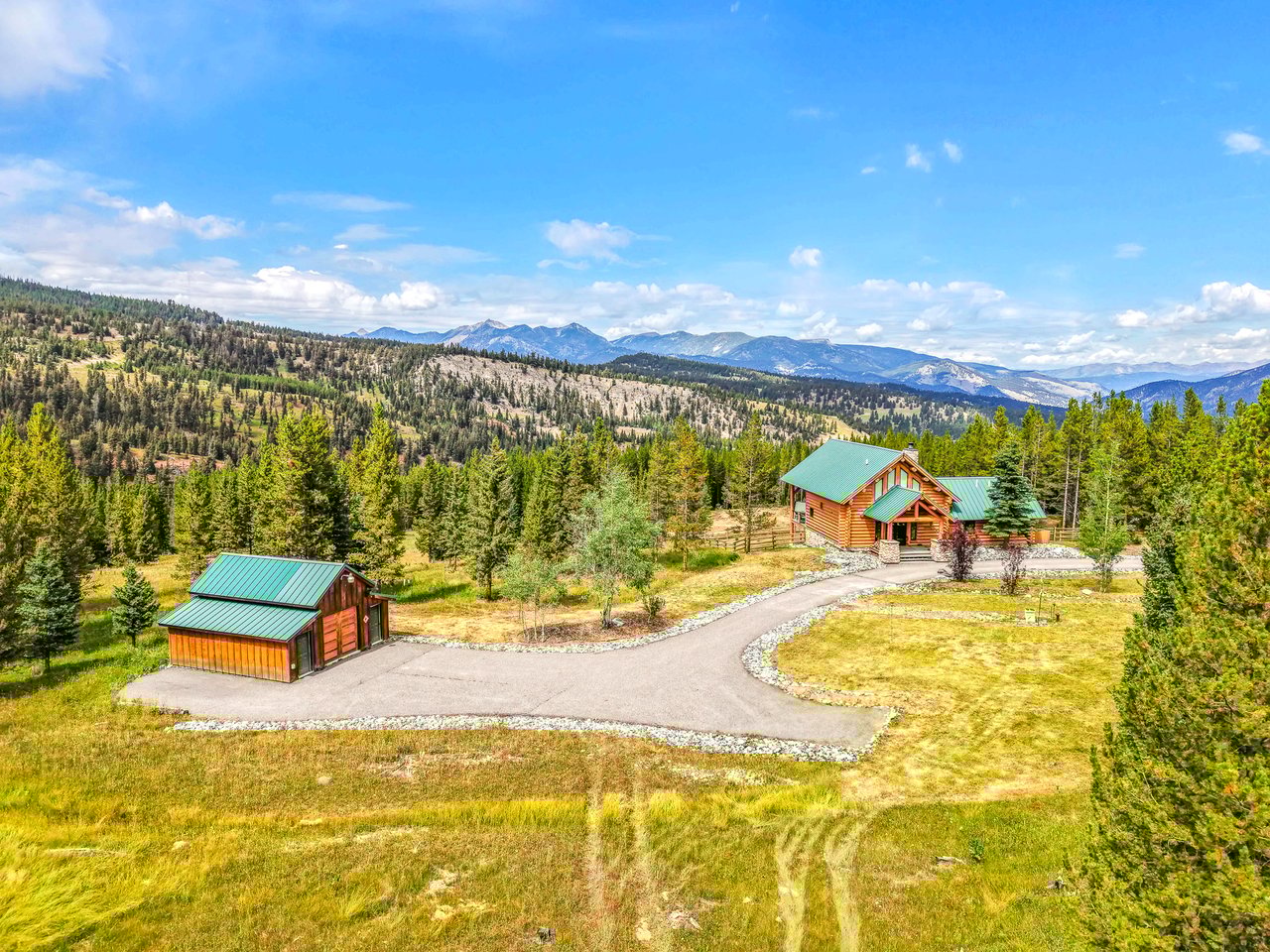
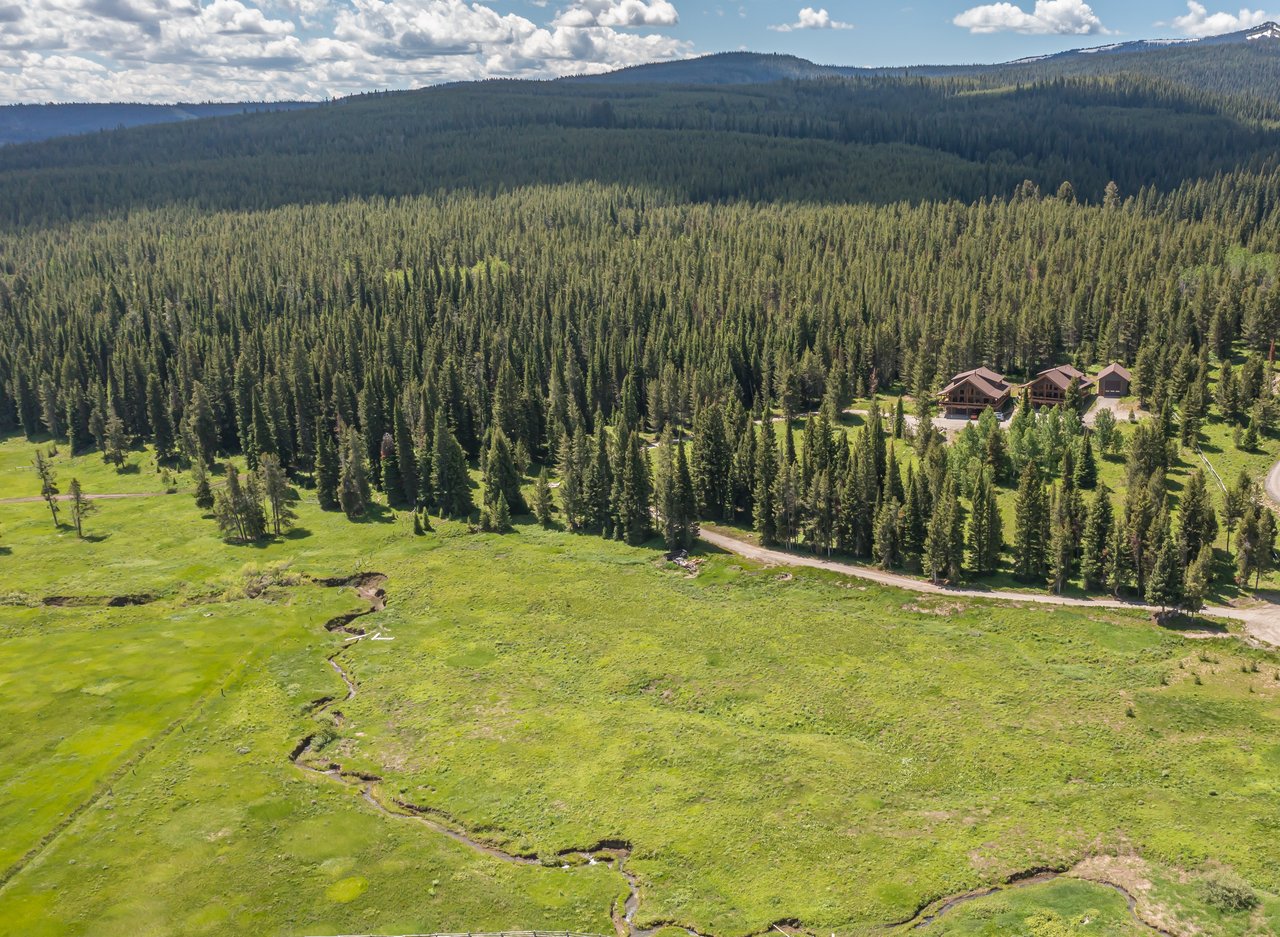
Lakefront and Rural Acreage: For buyers seeking more land, parcels outside the town core (near Hebgen Lake or in developments like Grayling Arm Meadows and Bear Trap Ranch) offer 2 to 5+ acres. These properties often feature mountain and lake views, custom construction, and a more secluded feel. Well and septic are common outside city services.
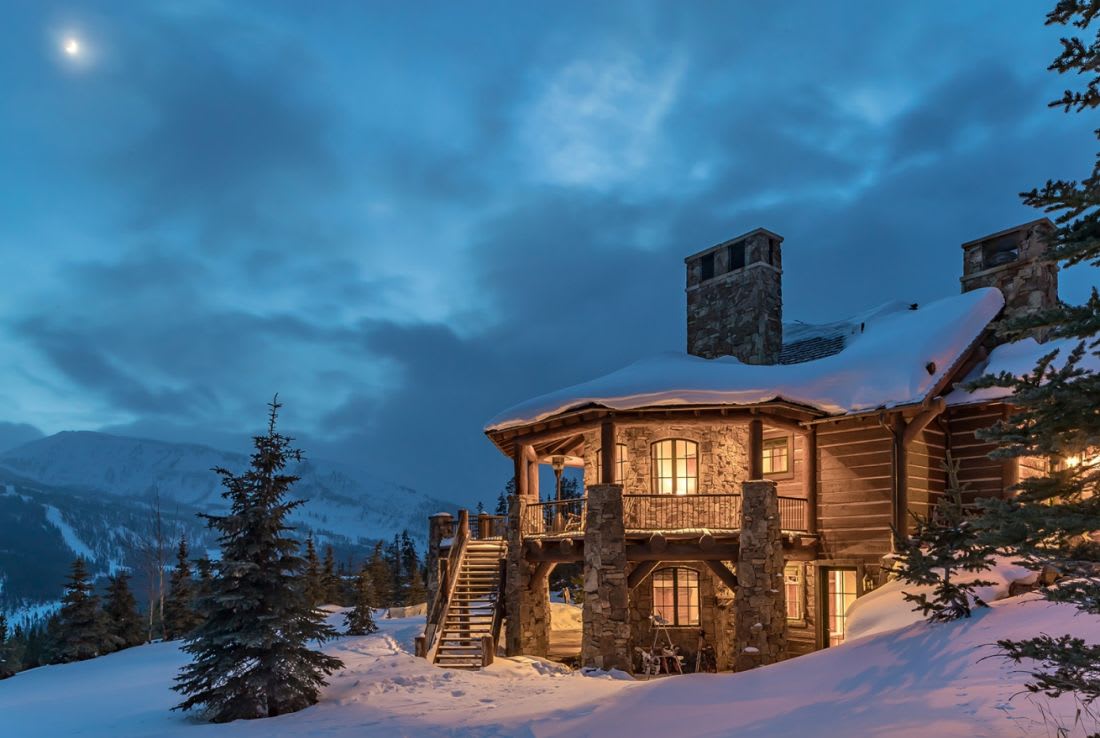
Here's the thing: architectural styles lean toward mountain vernacular. Log construction, post-and-beam homes, and practical designs built to handle heavy snowfall. Newer builds incorporate modern finishes while respecting the rugged aesthetic. Condos and townhomes exist but are less common. Vacant lots come to market periodically, though the finite land base means they move quickly.
The rental market is active, driven by the tourism economy. Many homeowners rent seasonally or short-term, which is something buyers should factor into their decision-making, both as potential income and as a neighborhood consideration.
Living in West Yellowstone means organizing your life around the seasons. Summer brings long days of fishing, hiking, biking, and whitewater rafting on the Gallatin River. Fall delivers quieter trails, spectacular foliage, and the chance to watch wildlife prepare for winter. Winter transforms the town into a snow-sport hub: snowmobiling, cross-country skiing, snowshoeing, and dog sledding dominate. Spring offers the first glimpses of newborn wildlife and the return of wildflowers.
Outdoor Recreation
The Madison River is a bucket-list destination for fly fishers, and Hebgen Lake (a 15-minute drive north) provides stillwater fishing for trophy rainbow and brown trout. Within the park, the Firehole, Gibbon, and Yellowstone rivers add even more options. Beyond fishing, the Gallatin National Forest offers hundreds of miles of hiking and mountain biking trails. Horseback riding into the backcountry is easy to arrange, and ATV trails wind through alpine terrain.
Winter recreation is exceptional. The Rendezvous Ski Trails host national-level Nordic events, and the surrounding snowmobile trail system is considered among the best in the country. Guided snowcoach and snowmobile tours into Yellowstone reveal a quieter, frost-covered version of the park that few visitors ever see.
Dining and Local Flavor
For a town of 1,400 people, the restaurant scene punches above its weight (driven by the steady flow of visitors). Madison Crossing Lounge, housed in the town's original 1918 schoolhouse, serves refined American fare with items like bison nachos and blueberry white chocolate bread pudding. Beartooth BBQ is a local favorite for slow-smoked meats and casual atmosphere. Wild West Pizzeria offers solid pies in a family-friendly setting. For breakfast, Running Bear Pancake House and Ernie's Bakery and Deli are go-to spots. Several taquerias serve the town's sizable Latino community, and Chinese restaurants cater to international visitors. Huckleberry-flavored everything (ice cream, jam, pie) is the regional specialty.
Local Tip: Many restaurants operate seasonally, closing during the quieter months between fall and the start of snowmobile season, then again in spring before summer crowds arrive. Calling ahead is wise.
Entertainment and Events
The Playmill Theatre has staged Broadway-style musicals for more than 60 years, running shows from Memorial Day through Labor Day. The West Yellowstone Rodeo brings cowboy culture to life during summer months. Music in the Park is a free concert series held at Pioneer Park throughout the season. The Grizzly and Wolf Discovery Center operates year-round, offering educational programs and up-close wildlife viewing. The Yellowstone Giant Screen theater (an IMAX-style venue) shows nature documentaries and Hollywood films on a six-story screen. The Yellowstone Historic Center, housed in the old train depot, documents the region's transportation history from stagecoaches to early automobiles.
Schools and Family Life
West Yellowstone operates a single K-12 school district with about 270 students. The small size means low student-to-teacher ratios (around 13:1) and a community where teachers know every family. High school athletics compete at the Class C level under the Wolverines banner. For families, the trade-off is clear: limited extracurricular breadth in exchange for a safe, outdoor-oriented upbringing where kids grow up fishing, skiing, and exploring one of the world's great wilderness areas.
Access and Getting Around
West Yellowstone is 90 miles south of Bozeman (the nearest major airport) via US-191 through the scenic Gallatin Canyon. The town has its own seasonal airport (Yellowstone Airport) with limited summer service. Bozeman Yellowstone International offers year-round flights. The town itself is highly walkable, with most services concentrated along Canyon Street and the surrounding blocks. A vehicle is essential for living here full-time, particularly in winter when road conditions can be challenging.
The Bottom Line
West Yellowstone is not for everyone. Winters are long and brutally cold. Shopping options are limited. The nearest big-box store is an hour-plus away in Bozeman. But for buyers who prioritize access to wild country, a tight-knit community, and a lifestyle built around outdoor pursuits, few places offer what this town delivers. It is a place where your backyard is Yellowstone National Park, your neighbors are fellow outdoor enthusiasts, and the trade-offs are ones you make gladly.
Unlock Your Montana Lifestyle