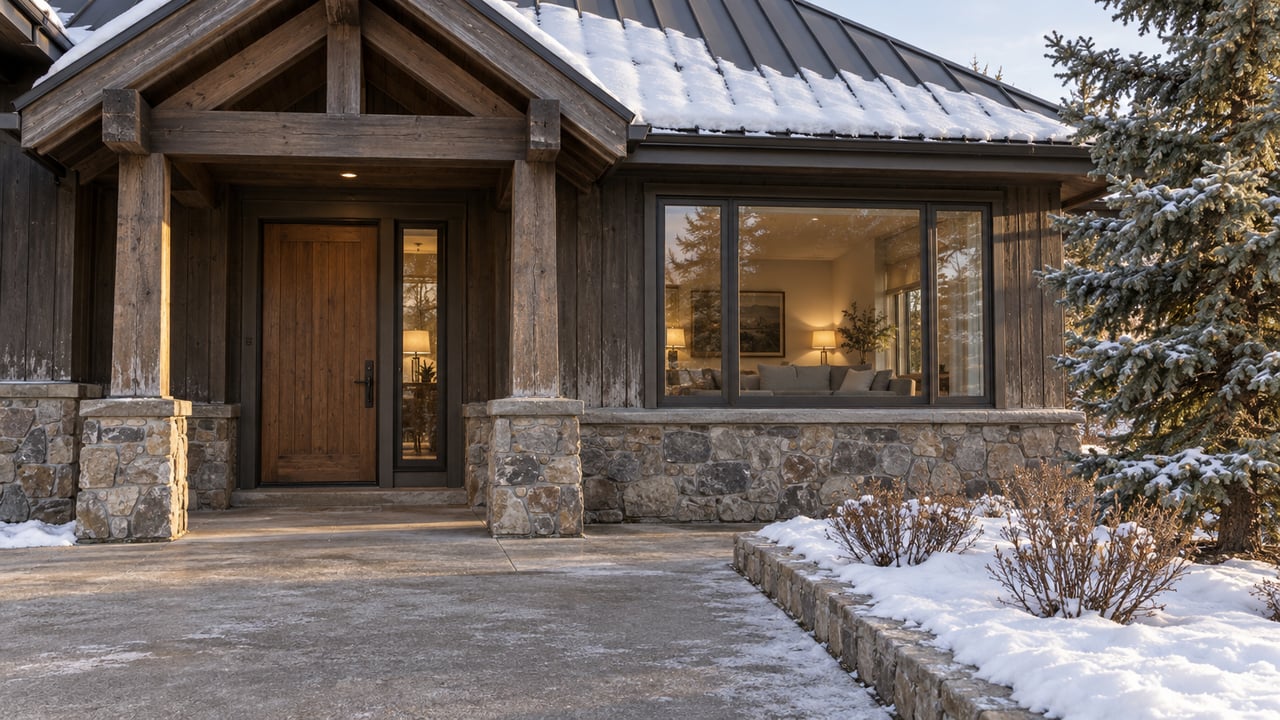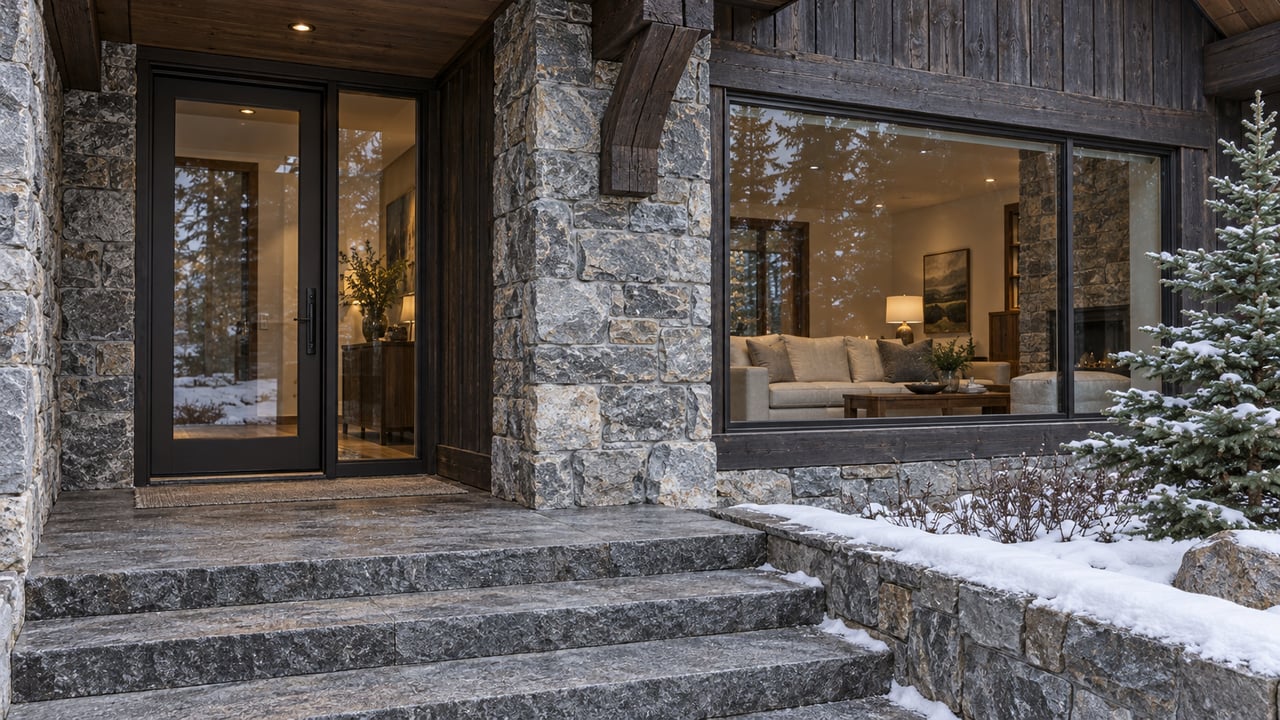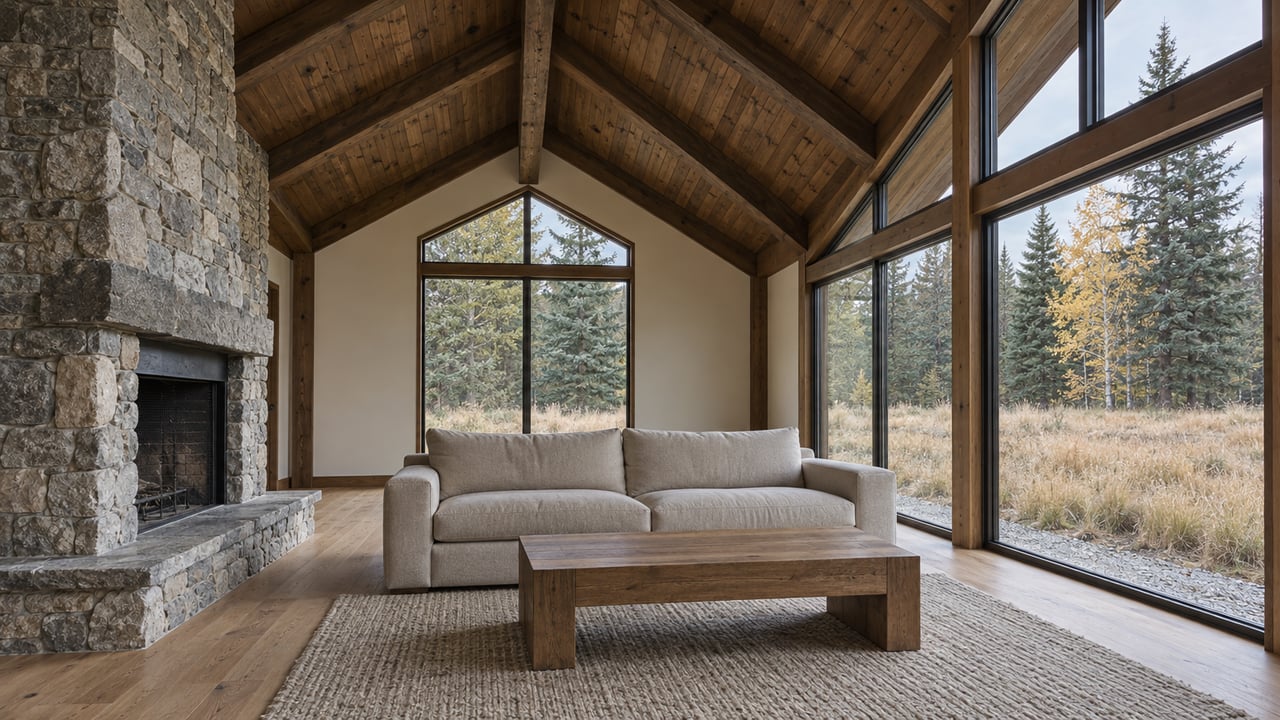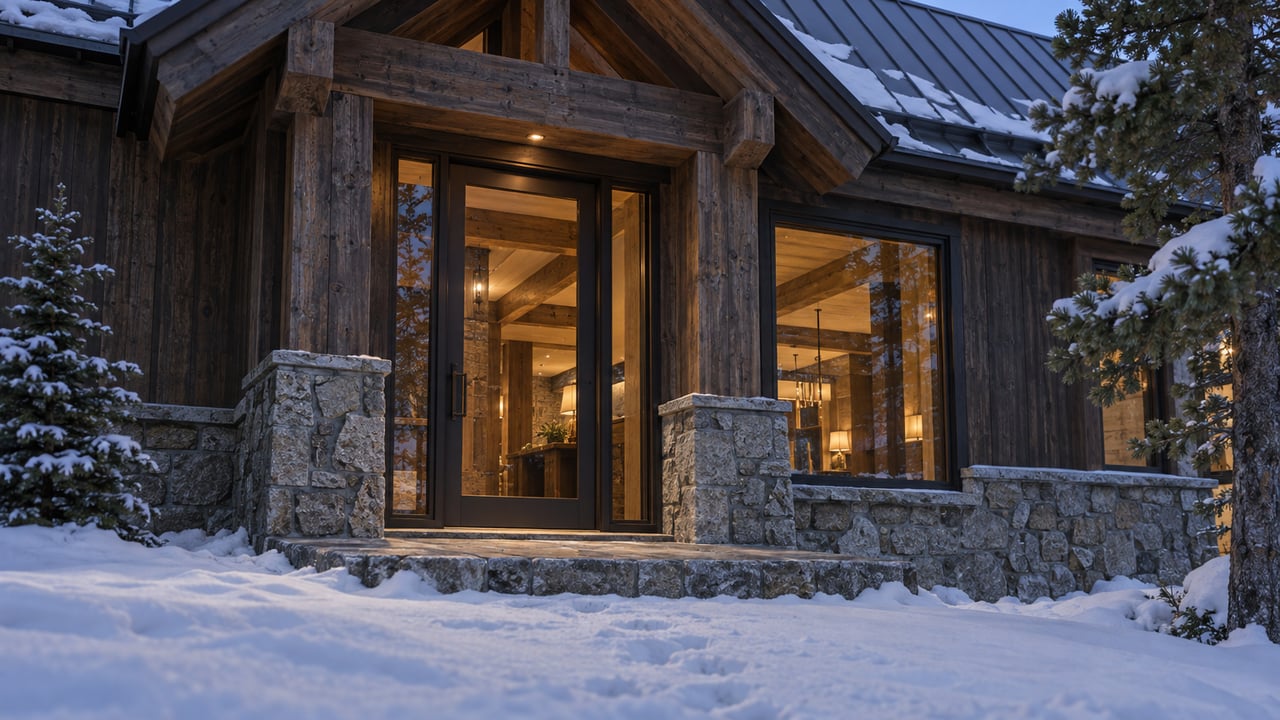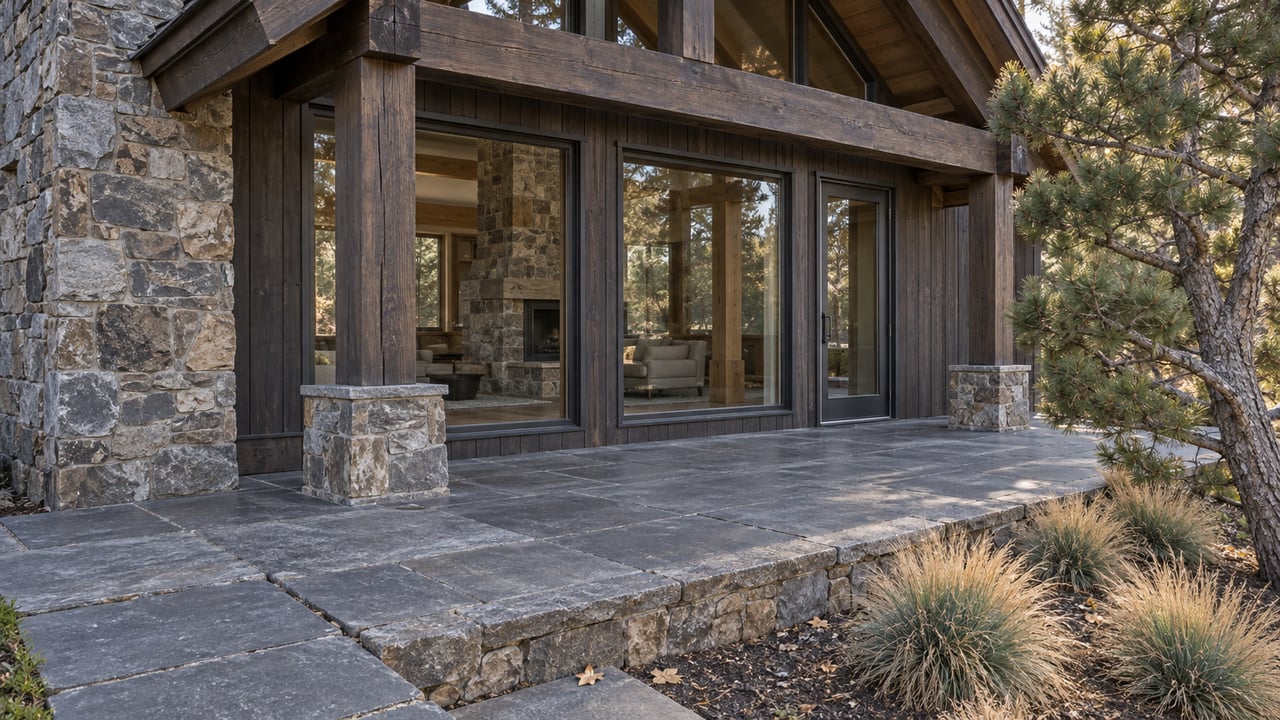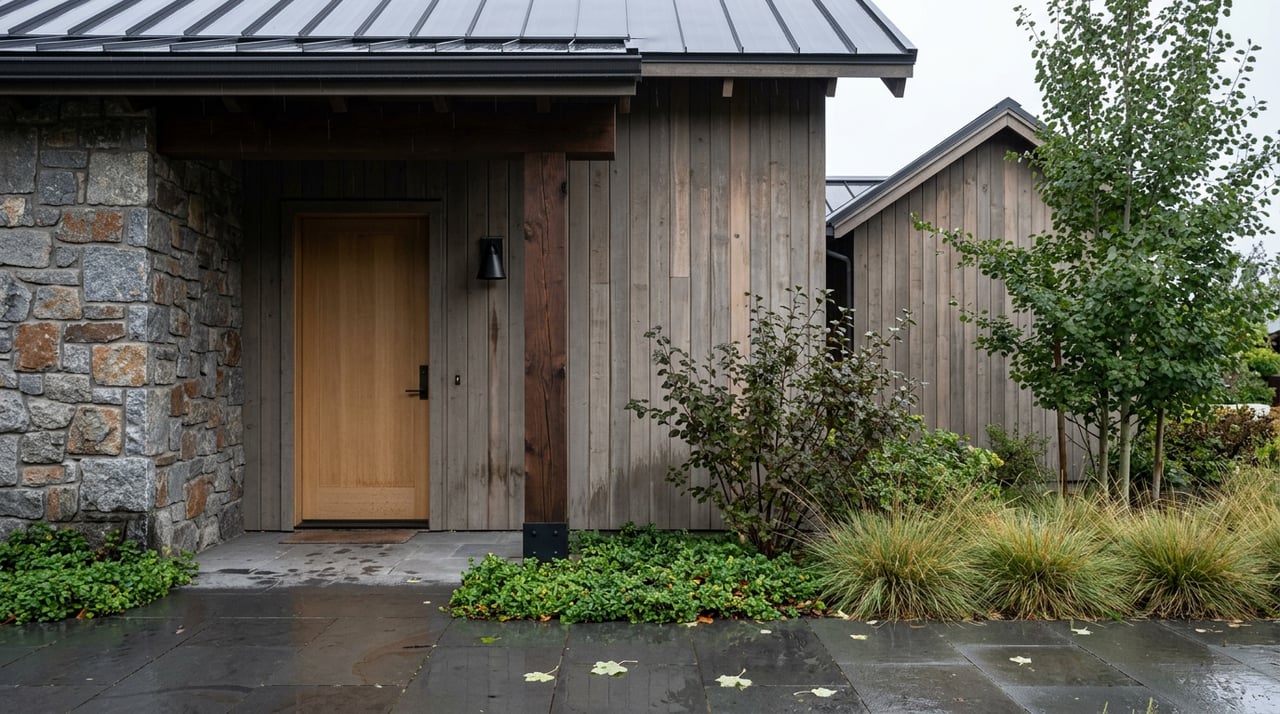
Picture two nearly identical two-bedroom condos in Meadow Village, a block apart, priced within a few thousand dollars of each other. One can be booked on a nightly rental platform this weekend. The other is subject to different rental restrictions. The zip code is the same. The view is the same. The difference is in the covenant attached to that specific parcel.
This is the part of Meadow Village that a median price doesn't capture. Buyers comparing properties here tend to assume that a neighborhood carries one set of rules, the way a city carries one zoning code. Meadow Village doesn't work that way. It's a patchwork of subdivisions, land trusts, and condo declarations, each written at a different point over the past several decades, each answering the rental question differently.
How county zoning fits in
The instinct to look for a rulebook is reasonable. It's just aimed at the wrong institution. Big Sky is unincorporated, so there's no city council setting short-term rental policy the way Bozeman or Missoula do. Gallatin County has 22 zoning districts outside its municipalities, and according to the county's own short-term rental FAQ, only two of them mention short-term rentals at all in their regulations: Gallatin Canyon/Big Sky and Hebgen Lake. If a zoning district doesn't mention short-term rentals specifically, the county's position is that they aren't permitted there.
County zoning addresses short-term rentals in specific districts, but it doesn't cap the number of rentals, set minimum stays, or dictate occupancy limits anywhere in Big Sky. Property-specific covenants also affect whether an address can be rented nightly, must be owner-occupied, or is restricted to an income-qualified lease. Some of those documents predate the county's zoning language, and the Big Sky Owners Association enforces them across the subdivisions it governs.
Different Meadow Village addresses, different answers
The Big Sky Owners Association traces back to 1971, when the Meadow Village Subdivision was platted, followed a year later by Sweetgrass Hills. At the time there was no zoning, no water district, and no paved roads in the area, so the covenants did the work that municipal government would normally do. Those covenants still run with the land today, meaning they bind whoever owns the parcel next, not just the person who signed the original declaration.
Here's what that looks like in practice across properties buyers are actually comparing right now:
Development / Subdivision Governing Document What It Allows Current Data Point Sweetgrass Hills 1972 BSOA subdivision, amended 2019 Short-term rental restricted, approved by member vote Restriction resolution has been in effect since 2019 MeadowView Community land trust deed Owner-occupancy required, no short-term rental, resale appreciation capped at 2% annually, according to the Big Sky Community Housing Trust Studios resold near $165,000 and two-bedrooms near $360,000 in 2025 RiverView Housing Trust lease plus privately funded lease terms Rental only, tied to local work or income qualification, no ownership path The Trust's 25 units, completed in 2024, were fully leased for Winter 2025-26; privately funded units, also fully leased, are priced from $2,750 to $4,400 a month Yellowtail Residences New condo declaration According to Yellowtail Residences, 20% of units are deed-restricted to local workforce inside an otherwise market-rate building Still moving through final inspection with Big Sky Water and Sewer as of March 2026 Cold Smoke (planned) Future deed restriction and appreciation cap, according to the Big Sky Community Housing Trust Affordable rentals, then ownership First rentals targeted for 2028, ownership homes for 2029 Standalone homes on original Meadow Village lots 1971 subdivision covenant, no added restriction A single-family home on Yellowtail Road is currently booked as a nightly vacation rental
That last row matters as much as the others. A single-family home on Yellowtail Road, part of the original Meadow Village Subdivision, is currently booked as a nightly vacation rental. A condo inside the newly built Yellowtail Residences nearby answers to its own declaration, one that carves out a fifth of the building for workforce housing. Same street name, two different rulebooks.
Rental and housing context
These figures offer context for the rules described above. Big Sky's short-term rental market has been large relative to the town's size for years. In 2020, Big Sky generated more than $350,000 in state lodging facilities use tax, close to 17 percent of total collections from Montana cities, while making up roughly 2.8 percent of the state's population, according to Explore Big Sky's reporting. Between July 2020 and May 2021, short-term rentals accounted for about 24 percent, or roughly $2.1 million, of the resort tax collected in that window. At the same time, the Big Sky Community Housing Trust was working through a waitlist of more than 100 people while long-term rental vacancy sat at zero and the short-term market held an estimated 1,200 units.
The figures above describe abundant nightly rentals alongside scarce long-term housing. MeadowView, RiverView, and Cold Smoke are deed-restricted projects, and Sweetgrass Hills homeowners voted to tighten their own rental rules. Reading a covenant tells you what you can do with the house and what restrictions it sets.
What to confirm before you write an offer
The state layer sits on top of all this and applies no matter which covenant governs the parcel: any short-term rental operator needs a Montana Public Accommodation License, and stays of 30 nights or fewer carry a combined 12 percent lodging tax, split between an 8 percent state lodging tax and a 4 percent local resort tax, both of which Airbnb collects and remits automatically. That part is uniform. The covenant is not.
Before comparing two Meadow Village properties on price alone, it's worth confirming:
Which specific document governs this parcel: the original 1971 Meadow Village Subdivision covenant, the Sweetgrass Hills amendment, or a standalone condo declaration like Yellowtail's
Whether that document addresses short-term rental directly, or whether silence is being read as permission
Whether any deed restriction ties the unit to income, employment, or owner-occupancy, and whether that restriction transfers at resale
If there's an appreciation cap, how it's calculated and what it means for your equity at sale
Whether the HOA has amended its covenants recently, since a member vote can change the rules for an owner who bought under the old ones
A buyer's agent who knows which covenant governs a given address before the showing can help a client confirm the rules before closing.
FAQ
Does every Meadow Village HOA restrict short-term rentals the same way?
No. The Big Sky Owners Association governs multiple subdivisions and condominium associations under its jurisdiction, and each carries its own covenant. Sweetgrass Hills amended its covenant in 2019 to restrict short-term rentals; the original Meadow Village Subdivision covenant, absent an added restriction, generally does not.
Can a covenant change after I buy?
Yes. The Sweetgrass Hills restriction itself was added through a member vote, well after the subdivision was originally platted. Covenants run with the land, so future amendments can bind an owner who purchased under different terms.
If the county doesn't cap short-term rentals, why do some properties still restrict them?
Because county zoning is only part of the picture. Gallatin County's zoning only addresses short-term rentals in two of its 22 districts and leaves occupancy, minimum stay, and density questions uncodified. Private covenants may add property-specific rental rules.
If you're comparing Meadow Village properties and want to know which covenant actually governs a specific address before you tour it, connect with the team at Life in Big Sky. Live Big. Connect with our team.
This article is general information, not legal, tax or financial advice. Consult a qualified professional about your situation.