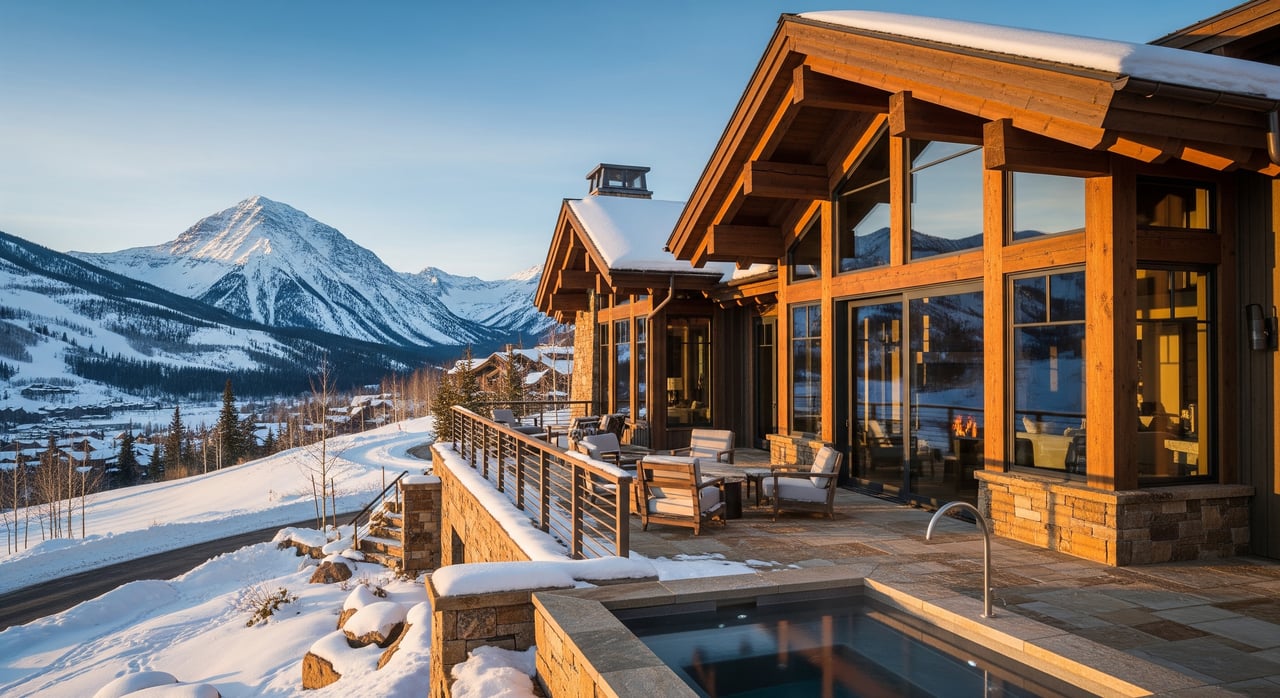
If Big Sky is on your radar, you have probably noticed that resort properties do not behave like homes in a typical suburb. Timing feels different, inventory moves in bursts, and amenities can be just as important as square footage. If you are comparing Moonlight Basin to a conventional neighborhood, understanding these differences will save you time and stress. This guide breaks down how the market works and what it means for your strategy in Moonlight Basin. Let’s dive in.
Resort markets vs suburbs: key differences
Resort markets run on lifestyle and access. You are buying proximity to lifts, trails, lodges, and views, not commute times or school districts. That shifts what drives value and how buyers act.
- Seasonality is real. Winter and high-summer bring the most showings and offers.
- Supply is limited. Mountain topography and phased releases keep inventory tight.
- Amenities matter. Club access, ski-in/ski-out, and trail adjacency influence price and demand.
- Buyers are often out-of-state and may purchase second homes or investment properties.
- Cash offers and unique contingencies are more common than in suburban deals.
Seasonality in Big Sky
Winter is the primary demand peak in Big Sky, with a secondary bump in summer. Many sellers list in early fall to catch winter interest, while others list off-season to face less competition. Time on market can shorten during peak periods and lengthen between seasons.
Weather affects logistics. Showings, inspections, and feasibility work must account for snow load, heating performance, and winter access. You should plan for checks like roof condition under snow, driveway snow removal solutions, and verification of ski-access paths.
In-season, buyers sometimes pay a premium to enjoy immediate access. Off-season, some buyers negotiate more aggressively. Your leverage depends on when you shop or list.
Inventory and development in Moonlight Basin
Moonlight Basin sits on finite, high-value terrain. Buildable parcels are limited by topography and prior planning. That keeps inventory structurally constrained compared to non-resort neighborhoods.
Developer activity shapes supply. Lots and finished product are often released in phases, which can set price expectations and create short windows of opportunity. New releases or a cluster of spec homes can reset local comparables and attract quick attention from out-of-area buyers.
The result is persistent scarcity and price premiums for homes with ski adjacency and views. Appraisals rely on thin data, so both buyers and sellers should be ready to discuss adjustments for unique features.
Club memberships and access rights
Private clubs and associations are central to the Moonlight Basin experience. Memberships can manage access to lodges, dining, fitness, and ski services. How a membership attaches to a property affects value and liquidity.
Key items to understand before you write an offer:
- Membership type. Equity vs non-equity and whether membership is mandatory or optional.
- Initiation fees and dues. These are significant to total ownership cost.
- Transfer rules. Some memberships are deeded or transferable. Others rely on approval or waitlists.
- Caps and availability. A capped membership or limited allocation can impact both use and resale.
Purchase contracts may include contingencies tied to membership approval or transfer. Build your timeline and decision points around that process.
Financing and appraisal realities
Cash purchases are more common in resort settings. When financing a second home or investment property, lenders often require larger down payments and additional documentation. Appraisers weigh features like views, ski access, lot grade, and amenity proximity more heavily than suburban norms.
Prepare for valuation gaps. Thin comps can create appraisal volatility. Buyers should discuss potential shortfalls with their lender. Sellers can help by assembling a thoughtful package of relevant comparables and feature highlights.
Remote workflows are standard. Many buyers tour during short visits or rely on trusted local representation for virtual showings, inspections, and closings.
Short-term rentals: what to know
Rental income can be a factor, but it is seasonal and variable. Winter and high-summer weeks may carry the strongest demand, while shoulder seasons are softer. Operating costs are higher in mountain environments, especially for insurance and professional management.
Rules vary by community and county. HOA CC&Rs, resort policies, and local regulations in Madison County influence whether you can rent and on what terms. Confirm nightly minimums, owner-use limits, and any permitting or tax obligations before you underwrite income.
Conservative projections are wise. Build scenarios that reflect seasonality, management fees, and maintenance so you are not surprised by net yields.
Taxes, fees, and carrying costs
Ownership in a resort community includes recurring obligations beyond your mortgage. Plan for:
- Property taxes based on assessed value and market conditions.
- HOA dues and any special assessments that support resort-grade amenities and infrastructure.
- Club initiation and ongoing dues if you join a private club.
- Mountain-specific insurance, including considerations for snow and winter conditions.
Review recent tax histories, HOA budgets, and meeting minutes to understand both today’s costs and potential changes.
Timing your move in Moonlight Basin
If you are buying, decide whether you want peak-season convenience or off-season flexibility. In-season purchases may secure access faster, with fewer options to negotiate. Off-season shopping can open more dialogue on price and terms.
If you are selling, early fall listings aim to catch peak winter momentum. Off-season listings can stand out with less competition. The right strategy depends on condition, price point, and whether club or developer dynamics affect your timing.
Buyer due diligence checklist
Use this list to organize your process in Moonlight Basin:
- Property access and ski proximity. Verify true ski-in/ski-out and route conditions in winter.
- Membership. Confirm type, initiation fees, dues, transfer rules, caps, and approval process.
- HOA documents. Review CC&Rs, budgets, meeting minutes, architectural guidelines, and rental rules.
- Inspections. Include heating systems, roof snow-load, drainage, driveway snow removal, and winter utilities.
- Appraisal and financing. Discuss down payment expectations and thin comps with your lender.
- Rental policy. Verify county and HOA rules, nightly minimums, permits, and tax requirements.
- Maintenance. Identify local providers for winterization, snow removal, and property management.
- Travel logistics. Consider access via Bozeman Yellowstone International Airport and typical winter road conditions.
Seller strategy in Moonlight Basin
Strong presentation matters when inventory is tight. Prepare professional media, highlight access and views, and clarify any membership options early.
Assemble a smart comp package. Include sales from similar terrain, view corridors, and ski proximity to help appraisers and buyers understand value. Be ready for varied financing profiles, including cash and second-home loans with longer underwriting.
Know your timeline. If membership approval, developer obligations, or HOA items may affect closing, set clear expectations with buyers from the start.
Work with a local expert
Moonlight Basin rewards good information and precise timing. The right strategy aligns your lifestyle goals with the realities of seasonality, inventory, memberships, financing, and due diligence. An experienced, locally rooted team can streamline decisions and protect value, whether you are buying or selling.
Ready to explore Moonlight Basin with a plan tailored to you? Reach out to the team at Life in Big Sky. Live Big. Connect with our team.
FAQs
How does Big Sky seasonality affect pricing in Moonlight Basin?
- Winter and high-summer bring more showings and faster movement. In-season buyers may pay premiums for access, while off-season shopping can create more room to negotiate.
What should I know about club memberships when buying in Moonlight Basin?
- Confirm membership type, initiation fees, dues, transfer rules, caps, and approval timelines. Contracts can include contingencies tied to membership availability or approval.
How common are cash offers and what if I need financing in a resort market?
- Cash offers are more common than in suburbs. If financing a second home, expect larger down payments, careful appraisal reviews, and additional documentation.
Can I count on short-term rental income in Moonlight Basin?
- Rental income is seasonal and variable. Verify HOA and county rules, plan for management costs, and use conservative projections to reflect winter and summer peaks with softer shoulder seasons.
What inspections are unique to mountain homes near the slopes?
- Include roof snow-load evaluation, heating system performance, drainage, winter access and snow removal, and verification of ski-access routes.
When is the best time to list a Moonlight Basin home for sale?
- Early fall can position you for winter demand. Off-season listings can also work if you want less competition. Match timing to property condition, price point, and membership or developer factors.